Spiritual Goals for the Year
Many people begin a new year by thinking about money, fitness, career plans, or home projects. Those goals have value, but they often focus only on the outside of life. Spiritual goals are different. They focus on the inner life, the part of you that looks for meaning, peace, connection, gratitude, and purpose.
You do not need to belong to any particular religion to benefit from spiritual growth. For some people, spirituality is deeply tied to faith, prayer, and worship. For others, it may center on values, reflection, nature, compassion, and living with intention. However you define it, tending to your spiritual health can bring steadiness in a world that often feels rushed and noisy.
Many Americans live busy lives filled with schedules, screens, obligations, and constant stimulation. It becomes easy to drift through the year reacting to everything around you while neglecting what matters most within you. Spiritual goals can help you slow down, reconnect, and live more thoughtfully.
The best spiritual goals are not about perfection. They are about direction. They are less about impressing others and more about becoming grounded, kind, and awake to your own life.
Why Spiritual Goals Matter
People often notice when physical health is off. They feel tired, stiff, or unwell. Emotional struggles are also easier to recognize when stress rises or mood drops. Spiritual health can be harder to name, yet many people feel its absence.
It may show up as emptiness, restlessness, cynicism, bitterness, or the sense that life has become mechanical. You may be productive yet feel disconnected. You may be surrounded by people yet feel alone. You may be successful on paper yet wonder why joy feels distant.
Spiritual practices can help restore balance. They often create perspective, humility, peace, and resilience. They remind us that life is more than deadlines, purchases, and public image.
When the inner life is cared for, the outer life often improves too.
Choose Growth Over Grand Promises
A common mistake with yearly goals is trying to transform everything at once. That usually leads to enthusiasm in January and frustration by February.
Spiritual growth tends to happen quietly. It is built through repeated small actions rather than dramatic declarations.
Instead of promising to become a totally different person this year, consider choosing one or two areas where you want to deepen. That might be patience, gratitude, faith, forgiveness, generosity, presence, or self-control.
A focused intention often creates more real change than a long list of vague resolutions.
Build a Daily Quiet Time
One of the most powerful spiritual goals is simply creating regular quiet.
Most Americans spend much of the day consuming noise. Notifications, news, entertainment, opinions, traffic, and conversations crowd the mind. Silence becomes rare.
Setting aside even ten minutes each day for quiet reflection can be deeply grounding.
For some people, this is prayer. For others, meditation, journaling, scripture reading, breathing, or sitting in stillness works well. The method matters less than the habit of making room to listen inwardly.
At first, quiet can feel uncomfortable. Many people realize how busy their mind has become. Stay with it. Over time, quiet often becomes a place of clarity rather than discomfort.
Practice Gratitude in a Realistic Way
Gratitude is often spoken about casually, but practiced sincerely it can change how a person experiences life.
This does not mean pretending problems do not exist. It means refusing to overlook what is still good.
You can build a gratitude goal by noticing three things each day you appreciate. Some days these will be meaningful milestones. Other days they may be simple gifts such as a warm meal, a safe drive home, a kind message, or sunlight through the window.
Gratitude softens the habit of constant dissatisfaction. It helps people see abundance where they once saw only lack.
Strengthen Your Connection to Faith
For those who follow a religious path, the new year can be a meaningful time to renew commitment.
That may include more regular prayer, attending worship consistently, reading sacred texts, joining a study group, serving others through your faith community, or rebuilding trust after a spiritually dry season.
Many people drift from faith not through rejection, but through distraction. Life gets full. Habits fade. Months pass.
Returning does not require perfection. It often begins with one honest prayer and one small step back toward what once nourished you.
Let Go of Resentment
Few things burden the spirit like unresolved bitterness.
Holding onto old anger can feel justified, but it often harms the person carrying it most. Resentment keeps pain active. It steals energy from the present.
Forgiveness does not mean approving harmful behavior or pretending wounds were minor. It also does not always mean restoring trust or relationship.
Sometimes forgiveness simply means deciding you no longer want someone else’s actions to keep controlling your inner life.
This can be a slow process. It may take time, boundaries, grief, and support. But letting go can bring freedom that revenge never provides.
Become More Present
Many people live physically in one place while mentally somewhere else.
They are at dinner thinking about work. They are with family while checking email. They are on vacation planning next month. They are listening while waiting to speak.
Presence is a spiritual practice because it honors the moment in front of you.
This year, aim to be more where you are.
Put the phone down during conversations. Notice your surroundings during a walk. Taste your meal. Listen fully when someone speaks. Pause before rushing to the next task.
Life is lived in moments, not in someday.
Serve Someone Beyond Yourself
Spiritual health grows when life becomes larger than self-interest.
Helping others has a way of clearing mental clutter and restoring perspective. It reminds us that we are connected and capable of contributing.
Service does not need to be dramatic. It can be mentoring a younger person, checking on a neighbor, volunteering locally, donating wisely, helping a struggling friend, or quietly meeting a need without recognition.
Many people search for purpose while overlooking the opportunities already near them.
Sometimes purpose begins with usefulness.
Create Healthier Boundaries
Spiritual growth is not only softness and peace. It also includes wisdom and boundaries.
Some people spend years saying yes when they mean no. They tolerate draining relationships, overcommit themselves, or allow chaos to dominate their schedule. Then they wonder why they feel depleted.
Boundaries protect what matters.
This year, consider where stronger limits are needed. That may involve reducing time with toxic influences, limiting constant news intake, protecting rest, or declining obligations that conflict with your values.
Boundaries are not cruelty. They are stewardship.
Seek Meaning Instead of Constant Stimulation
Modern life offers endless distraction. When discomfort appears, many people immediately scroll, shop, binge-watch, snack, or seek another quick hit of stimulation.
Yet constant distraction can leave a person spiritually underfed.
Meaning often comes through slower experiences. Deep conversation. Creative work. Prayer. Reading. Nature. Service. Honest reflection. Learning. Loving others well.
A worthy goal for the year is to trade some stimulation for substance.
You may be surprised how nourishing quieter pleasures can feel.
Spend Time in Nature
Nature has a calming effect that many people underestimate.
Watching waves, walking a trail, sitting under trees, gardening, or noticing the sky can pull attention out of constant mental loops. It reminds people that life is larger than their current worries.
For some, nature is where they feel closest to God. For others, it simply restores perspective and peace.
You do not need a mountain retreat. A local park, backyard, beach, or neighborhood walk can be enough.
Regular contact with the natural world often supports spiritual clarity.
Be Honest with Yourself
Growth requires honesty.
Many people know where change is needed but avoid naming it. They know habits are unhealthy, relationships are strained, values are compromised, or fear is running the show.
Spiritual maturity involves gentle truthfulness.
Ask yourself what you already know but have been avoiding. Then respond with courage rather than shame.
Self-honesty is not self-attack. It is the doorway to real change.
Develop a Practice of Reflection
Without reflection, people repeat patterns unconsciously.
Set aside time weekly or monthly to ask deeper questions.
How have I been living lately?
What is draining me?
What am I grateful for?
Where have I grown?
Where do I need to apologize, forgive, or adjust?
What matters most right now?
Reflection helps the year become intentional instead of accidental.
Accept That Growth Is Uneven
Some months you may feel deeply connected and motivated. Other times you may feel distracted, discouraged, or spiritually dry.
This is normal.
Growth rarely moves in a straight line. There are seasons of clarity and seasons of struggle.
Do not abandon your goals because progress feels slower than expected. Keep returning to the practices that steady you.
Consistency often matters more than intensity.
A Simple Spiritual Plan for the Year
If you prefer simplicity, choose a modest rhythm.
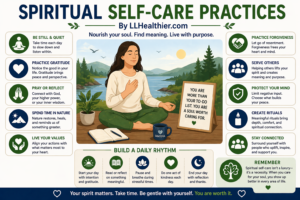
Spend ten quiet minutes each morning in prayer, reflection, or meditation. Practice gratitude each evening. Protect one weekly block of time for worship, nature, reading, or deeper rest. Look for one act of service each week. Revisit your intentions monthly.
This kind of plan is realistic, gentle, and powerful over time.
Spiritual goals for the year are not about appearing wise or becoming flawless. They are about nurturing the inner life that often gets neglected in modern living.
Seek quiet. Practice gratitude. Deepen faith. Release resentment. Be present. Serve others. Protect your peace. Choose meaning over distraction. Reflect often.
You do not need to overhaul your life overnight.
A more grounded, peaceful, and purposeful year is often built through small daily choices that bring you back to what matters most.
Found this article interesting? Bookmark it to read again later.
Then, share it for others to read. 🌎
Thank you!









Post Comment