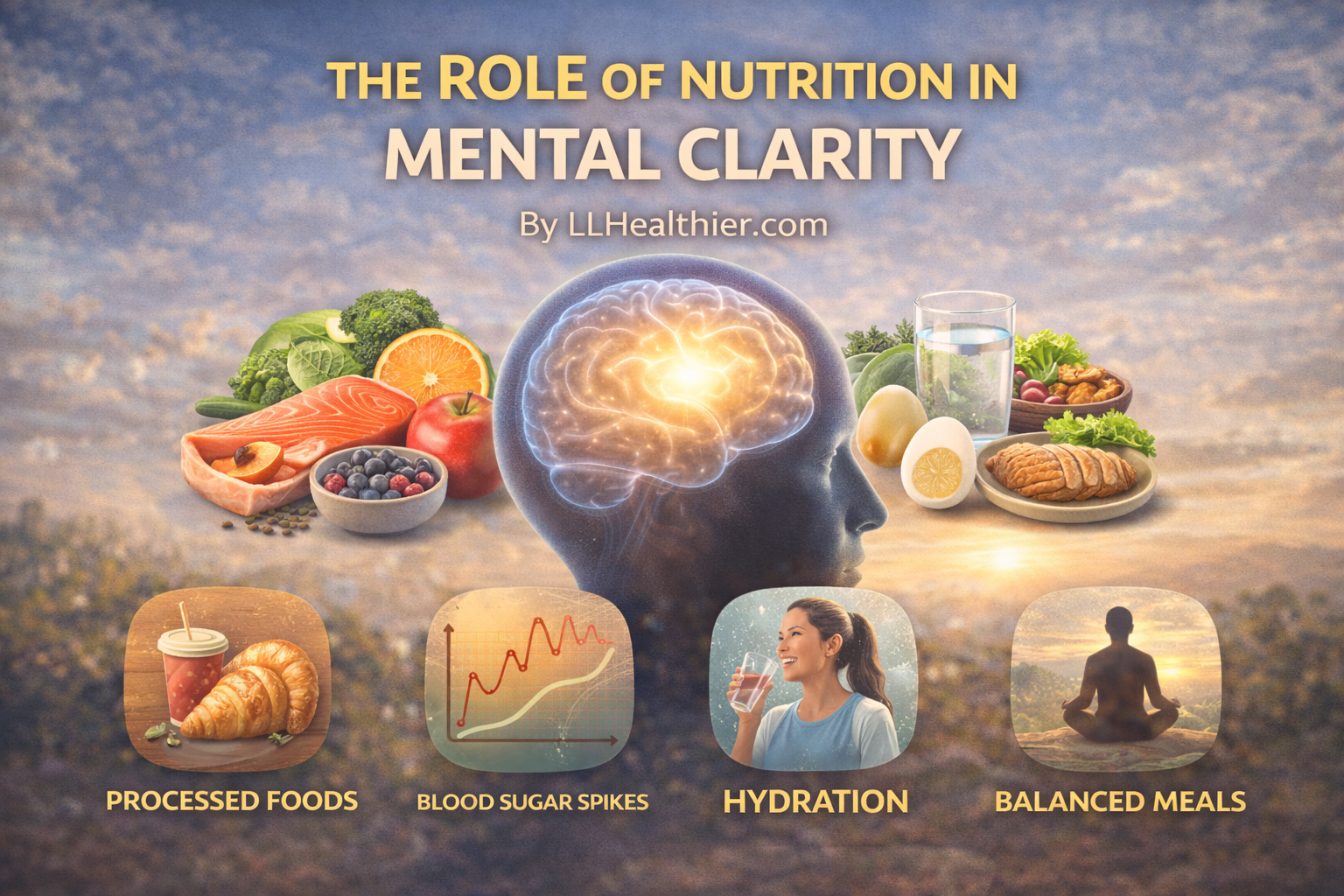
The Role of Nutrition in Mental Clarity
Many people think of food mainly in terms of weight, heart health, or energy levels. Those are important topics, but nutrition also has a powerful effect on the brain. What you eat can influence concentration, memory, mood, alertness, and the ability to think clearly throughout the day.
Most Americans have experienced this without fully naming it. A heavy fast-food lunch followed by afternoon brain fog. A sugary breakfast that leads to a mid-morning crash. Skipping meals and feeling irritable, distracted, or mentally slow. On the other hand, a balanced meal can leave you feeling steady, focused, and more capable.
Mental clarity is not just about intelligence or willpower. It is often tied to sleep, stress, movement, hydration, and daily food choices. The brain is a high-demand organ. Though it makes up a small portion of body weight, it uses a large share of the body’s energy. It depends on a steady supply of nutrients to function well.
The good news is that supporting brain performance does not require expensive supplements or a trendy diet. In most cases, it comes from consistent basics done well.
What Mental Clarity Really Means
Mental clarity is a practical term people use to describe feeling sharp, focused, organized, and present. It often includes the ability to concentrate, solve problems, remember details, make decisions, and stay emotionally steady.
When clarity is lacking, people often describe brain fog. Thoughts feel slower. Attention drifts. Motivation drops. Words may be harder to find. Small tasks feel bigger than they should.
Many factors can cause brain fog, including poor sleep, chronic stress, depression, illness, medications, hormonal changes, and dehydration. Nutrition is not the only cause, but it is one of the most changeable influences.
That makes it worth understanding.
The Brain Needs Steady Fuel
The brain runs largely on glucose, which comes from carbohydrates in food. This often leads people to think sugar is the answer. It is not that simple.
The brain does best with a steady supply of fuel, not dramatic spikes followed by crashes.
Highly processed foods rich in sugar and refined starches can raise blood sugar quickly. This may create a short burst of energy, followed by fatigue, irritability, and mental dullness when levels fall.
More balanced meals tend to create steadier energy. These meals often include fiber-rich carbohydrates, protein, and healthy fats.
Think oatmeal with nuts and berries instead of pastries alone. Think rice with chicken and vegetables instead of a sugary snack and soda.
The goal is not fear of carbohydrates. It is choosing forms that support stable energy.
Why Breakfast Can Matter
Some people feel great eating breakfast. Others do better waiting until later. There is no universal rule.
What matters most is how your body and mind respond.
Many people notice better concentration when they begin the day with a balanced meal. Protein-rich breakfasts can be especially helpful for satiety and steadier morning energy.
Examples include eggs with fruit, Greek yogurt with berries, cottage cheese, oatmeal with nuts, or whole grain toast with peanut butter.
A breakfast built mostly on sugar may leave you hungry and foggy by mid-morning.
If you are not hungry early, that is different. The real lesson is to notice what supports your own clarity rather than following trends blindly.
Protein Supports Brain Function
Protein provides amino acids, which the body uses to build neurotransmitters. Neurotransmitters are chemical messengers involved in attention, motivation, mood, and alertness.
This is one reason meals containing adequate protein often feel more sustaining than meals built mostly from refined carbs.
Protein can come from many sources. Eggs, fish, chicken, turkey, Greek yogurt, beans, lentils, tofu, cottage cheese, and lean meats are all useful options.
You do not need massive portions. You need consistency across the day.
Many people under-eat protein early, then overeat later when cravings rise.
Healthy Fats and the Brain
The brain contains a high amount of fat, and certain dietary fats support brain health.
Omega-3 fats, found in fatty fish such as salmon, sardines, trout, and mackerel, have been linked to brain and mood benefits. They are involved in cell membrane function and may help support healthy inflammation balance.
Nuts, seeds, olive oil, avocado, and other minimally processed fats can also fit well into a brain-supportive eating pattern.
This does not mean all fats are magical or that you need to drink oil for clarity. It means balanced inclusion of quality fats can be useful.
Meals that contain some healthy fat often feel more satisfying and steady.
Micronutrients Matter More Than People Realize
Mental clarity is not driven only by calories and macros. Vitamins and minerals also play a major role.
Iron helps carry oxygen in the blood. Low iron can contribute to fatigue and poor concentration.
B vitamins support energy metabolism and nervous system function. Deficiency can affect mood and cognition.
Magnesium is involved in hundreds of body processes and may influence stress response, sleep quality, and nerve function.
Zinc, iodine, vitamin D, and others also matter.
This is one reason highly processed diets can leave people feeling underpowered. Calories may be abundant while nutrient quality is poor.
A varied diet rich in whole foods often covers these needs better than relying on packaged convenience foods alone.
Hydration and Brain Fog
Mild dehydration can reduce concentration, increase fatigue, and worsen headaches.
Many people start the day dehydrated after sleep, then run on coffee while forgetting water.
Coffee can absolutely be part of a healthy routine, but it should not replace hydration.
Simple habits help. Drink water in the morning. Keep water accessible during the day. Increase intake in hot weather, during exercise, or when sweating more than usual.
If you feel foggy, sluggish, or headachy, hydration is worth checking before assuming something complex is wrong.
Sometimes the body needs basics first.
The Gut-Brain Connection
Research continues to explore the relationship between digestive health and brain function. The gut and brain communicate through nerves, hormones, immune signals, and the microbiome, which refers to the bacteria and other organisms living in the digestive tract.
While the science is still evolving, many people notice that when digestion is poor, mental sharpness often suffers too.
Bloating, irregular eating, constipation, reflux, and discomfort can distract the mind and drain energy.
Foods that support digestive health often include fiber-rich plants, fermented foods for some individuals, adequate fluids, and regular meal patterns.
This does not mean every person needs probiotics or unusual supplements. It means gut health and brain health are connected more than once believed.
Processed Foods and Mental Sluggishness
Not all processed foods are harmful, but diets built heavily around ultra-processed items can work against mental clarity.
Highly refined snack foods, sugary beverages, fried fast foods, and constant grazing on low-quality calories may create blood sugar swings, inflammation, poor satiety, and nutrient gaps.
Many people notice they feel mentally better when they eat more meals based on real foods and fewer meals built from wrappers and drive-thru windows.
This does not require perfection. It requires pattern change.
A burger and fries once in a while is different from making it a daily default.
Caffeine Can Help, Until It Hurts
Caffeine can improve alertness, reaction time, and concentration. Used wisely, it can be helpful.
The problem is dose and timing.
Too much caffeine can create jitters, anxiety, racing thoughts, poor sleep, and afternoon crashes. Late caffeine may quietly damage sleep quality, leading to worse clarity the next day.
Many people think they need more coffee when what they really need is better sleep, hydration, and steadier meals.
Caffeine works best as a tool, not a crutch.
Blood Sugar Swings and Mood
Food affects mood as well as focus.
Large swings in blood sugar can leave people irritable, anxious, shaky, tired, or distracted. This is common after high-sugar meals or long periods without eating followed by overeating.
Balanced eating patterns often help create steadier emotions.
This may look like eating regular meals, including protein and fiber, and avoiding the cycle of starvation by day and bingeing by night.
Stable mood often supports clear thinking.
Nutrition and Stress Resilience
Stress changes how people eat. Some lose appetite. Others crave sugar, salt, or comfort foods.
At the same time, chronic stress increases the need for solid habits because it already taxes the nervous system.
When stress is high, regular meals with nutrient-dense foods can help prevent added fatigue and emotional volatility.
You do not need gourmet meals during hard seasons. You need dependable nourishment.
Simple meals can carry you well.
Practical Eating for Mental Clarity
Most people benefit more from consistency than from dramatic overhauls.
Start with a real breakfast if mornings are rough. Add protein to lunch instead of relying on snacks. Include vegetables at dinner. Keep nuts, fruit, yogurt, or boiled eggs available instead of only chips and sweets.
Replace some sugary drinks with water. Plan meals before you are starving. Keep healthy options visible and easy.
These changes sound modest because they are. Modest habits repeated daily can reshape how you feel.
When Food Is Not the Main Problem
Nutrition matters, but it is not the answer to every case of brain fog.
If you are sleeping five hours a night, under intense stress, sedentary, depressed, anxious, using heavy alcohol, or dealing with a medical condition, food alone may not fix the issue.
Persistent fatigue, memory decline, major mood changes, unexplained weight shifts, snoring, severe anxiety, or lasting brain fog deserve medical attention.
Sometimes people blame themselves for poor eating when the real issue is sleep apnea, anemia, thyroid disease, depression, or medication side effects.
Use nutrition as one pillar, not the only pillar.
A Simple Day of Brain-Supportive Eating
A realistic day might include eggs or oatmeal in the morning, a lunch with lean protein and vegetables, fruit or yogurt as a snack, and a dinner built around protein, whole grains or potatoes, and vegetables.
Water throughout the day. Coffee in moderation. Room for enjoyable foods too.
This is not glamorous, but it often works better than extremes.
Mental clarity is influenced by many factors, and nutrition is one of the most powerful daily ones. The brain needs steady fuel, quality nutrients, hydration, and meal patterns that support stable energy.
Whole foods, adequate protein, healthy fats, fiber-rich carbohydrates, and enough water often improve focus and reduce brain fog. Highly processed diets, sugar crashes, dehydration, and chaotic eating patterns often do the opposite.
You do not need a miracle food or expensive supplement stack.
For most people, a clearer mind begins with ordinary meals chosen consistently, one day at a time.
Found this article interesting? Bookmark it to read again later.
Then, share it for others to read. 🌎
Thank you!










Post Comment