Estate Planning Basics for Families
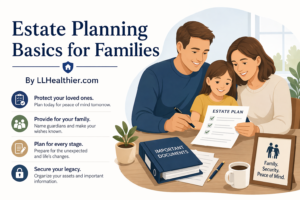
Many families hear the words estate planning and immediately assume it is something only wealthy people need. They picture mansions, trusts worth millions, and complicated legal structures designed for the ultra-rich. In reality, estate planning is for ordinary people with ordinary lives. If you have children, a home, savings, personal belongings, or people you love, estate planning likely matters to you.
At its core, estate planning is simply preparing for the future. It is the process of deciding what happens to your assets, your responsibilities, and your loved ones if you become incapacitated or pass away. It gives direction during times when family members may be grieving, stressed, and uncertain.
Without a plan, important decisions may be left to state law, court processes, or family members trying to guess what you wanted. That can create delays, conflict, expense, and unnecessary emotional strain.
A thoughtful plan is one of the most practical acts of love a person can offer their family.
What Estate Planning Really Includes
Estate planning is broader than writing a will.
A complete plan often includes legal documents that address who receives property, who can make medical decisions if you cannot, who can handle finances if you are unable, and who will care for minor children if needed. It may also involve reviewing beneficiaries on retirement accounts and life insurance policies.
For some families, the plan is simple. For others, it may involve blended families, business ownership, special needs planning, or more advanced tax considerations.
The purpose is clarity. When life becomes difficult, clarity becomes a gift.
Why Families Need It
Many parents spend years protecting their family through hard work, insurance, savings, and daily sacrifice. Yet some never create the documents that guide those protections if tragedy strikes.
Imagine a household where one parent dies unexpectedly and there is no will, no named guardian, unclear account access, and no instructions. The surviving family may face court procedures while already grieving.
Estate planning cannot remove pain, but it can remove confusion. That alone can make a tremendous difference.
The Importance of a Will
A will is one of the most recognized estate planning tools. It generally states how you want assets distributed after death and can name guardians for minor children.
For parents, the guardian section may be the most emotionally important part. If both parents were gone, who would raise the children? Without a clear designation, a court may need to decide based on available information and competing requests.
A will can also name the person responsible for handling your estate, often called an executor or personal representative depending on the state. This person carries significant responsibility, so choose carefully.
If You Have Children, Guardianship Matters Deeply
Many young parents have modest savings and assume estate planning can wait. Yet they may have the single most urgent reason to plan: children.
Naming a guardian allows you to express who you trust to care for your children if the unthinkable happens. You may also want to discuss values, education hopes, religious preferences, and financial intentions with that person.
No choice feels perfect, and many parents delay because the decision feels emotional.
An imperfect thoughtful choice is usually better than leaving none.
Powers of Attorney Protect During Life
Estate planning is not only about death. It also addresses incapacity.
A financial power of attorney allows someone you trust to manage certain financial matters if you become unable to do so. This may include paying bills, handling banking matters, or dealing with property depending on the document.
A healthcare power of attorney or healthcare proxy allows someone to make medical decisions if you cannot communicate. These documents can be crucial after accidents, illness, or sudden medical events.
Living Wills and Medical Wishes
Many people also prepare documents that express healthcare preferences in serious medical circumstances. These may address life support, end-of-life care, and related decisions.
Families often struggle when they must make choices without knowing what their loved one wanted.
Written guidance can reduce guilt and disagreement.
It can also help loved ones feel they are honoring your wishes rather than guessing under pressure.
Beneficiary Designations Matter More Than Many Realize
Some assets pass through beneficiary forms rather than through a will.
Retirement accounts, life insurance policies, and certain financial accounts may go directly to the named beneficiary. This means outdated forms can create major unintended consequences.
A person may divorce, remarry, have children, or lose a spouse, yet never update paperwork.
Reviewing beneficiaries regularly is one of the simplest and most important estate planning habits.
Do Not Assume Everything Automatically Works Out
Many people say, “My spouse will get everything anyway.”
Sometimes that is partly true depending on state law and asset ownership, but not always in the clean, simple way people imagine. Laws vary. Blended families create added complexity. Minor children cannot directly manage inherited assets. Certain accounts may need probate or formal administration.
Assumptions are risky.
Good planning replaces assumptions with certainty.
What Probate Means
Probate is the legal process of settling an estate after death. It may involve validating a will, paying debts, gathering assets, and distributing property.
Probate experiences vary by state and by estate complexity. Some are manageable and straightforward. Others can be slower, more expensive, or more public than families expect.
Planning can sometimes reduce delays or simplify administration.
Even when probate is unavoidable, organized planning usually helps.
Trusts and When They May Help
Some families use trusts as part of estate planning.
A trust can be useful for privacy, managing assets for children, controlling distributions over time, planning for incapacity, caring for a loved one with special needs, or addressing more complex family situations.
Not every family needs a trust. Some people are sold complicated products they do not truly need. Others would benefit from one and never explore it.
This is where quality legal advice matters.
Special Needs Planning Requires Care
If you have a child or dependent with disabilities, estate planning becomes even more important.
Leaving money directly to a loved one may unintentionally affect eligibility for certain benefits depending on circumstances. Specialized planning tools may help provide support while preserving access to needed programs.
This area is too important for guesswork.
Professional guidance is wise.
Organizing Your Information
Even excellent legal documents are less useful if nobody can find them.
Keep records of key accounts, insurance policies, passwords management systems, debts, advisors, property documents, and contact information. Tell trusted people where important documents are stored.
Families often spend painful weeks searching through drawers, emails, and old files.
Simple organization can spare them that burden.
Talk to Your Family
Many people complete documents but never communicate.
You do not need to share every financial detail, but key people should know they have been chosen for roles such as executor, guardian, or healthcare decision-maker. They should understand where documents are located and any important wishes you want known.
Conversations now can prevent shock later.
Silence often creates confusion.
Review Your Plan After Major Life Changes
Estate planning is not one-and-done.
Marriage, divorce, births, deaths, relocations, major wealth changes, business ownership, and health diagnoses can all justify updates. Even without major changes, periodic review is wise.
Old documents may no longer reflect your life.
A plan only helps if it still matches reality.
Common Reasons People Delay
People delay estate planning for understandable reasons.
Some feel young and healthy. Some dislike thinking about death. Some assume they do not own enough. Others feel overwhelmed by legal language or worry it will be expensive.
But avoiding the topic does not avoid the need.
Often the hardest part is starting. Once begun, many families feel relief.
Cost vs Cost of Avoidance
Yes, estate planning can involve upfront expense.
But the cost of no planning may be far greater through court fees, delays, tax inefficiencies, family conflict, guardianship uncertainty, frozen access to funds, or emotional chaos.
Many wise financial decisions involve paying something now to prevent bigger losses later.
Estate planning often fits that category.
How to Begin Simply
You do not need to solve every possibility this week.
Start by listing your assets, debts, insurance, children’s needs, and the people you trust most. Consider who would manage finances, make healthcare decisions, and care for children if needed.
Then meet with a qualified estate planning attorney in your state. Laws vary, so personalized legal guidance matters.
Progress begins with one appointment.
Peace of Mind Is Part of the Return
Estate planning is not only about documents and dollars.
It often brings emotional relief. Parents sleep better knowing guardians are named. Spouses feel calmer knowing accounts and wishes are organized. Adult children feel grateful when aging parents plan clearly.
Peace of mind is a real benefit, even though it does not show on a balance sheet.
The Bottom Line
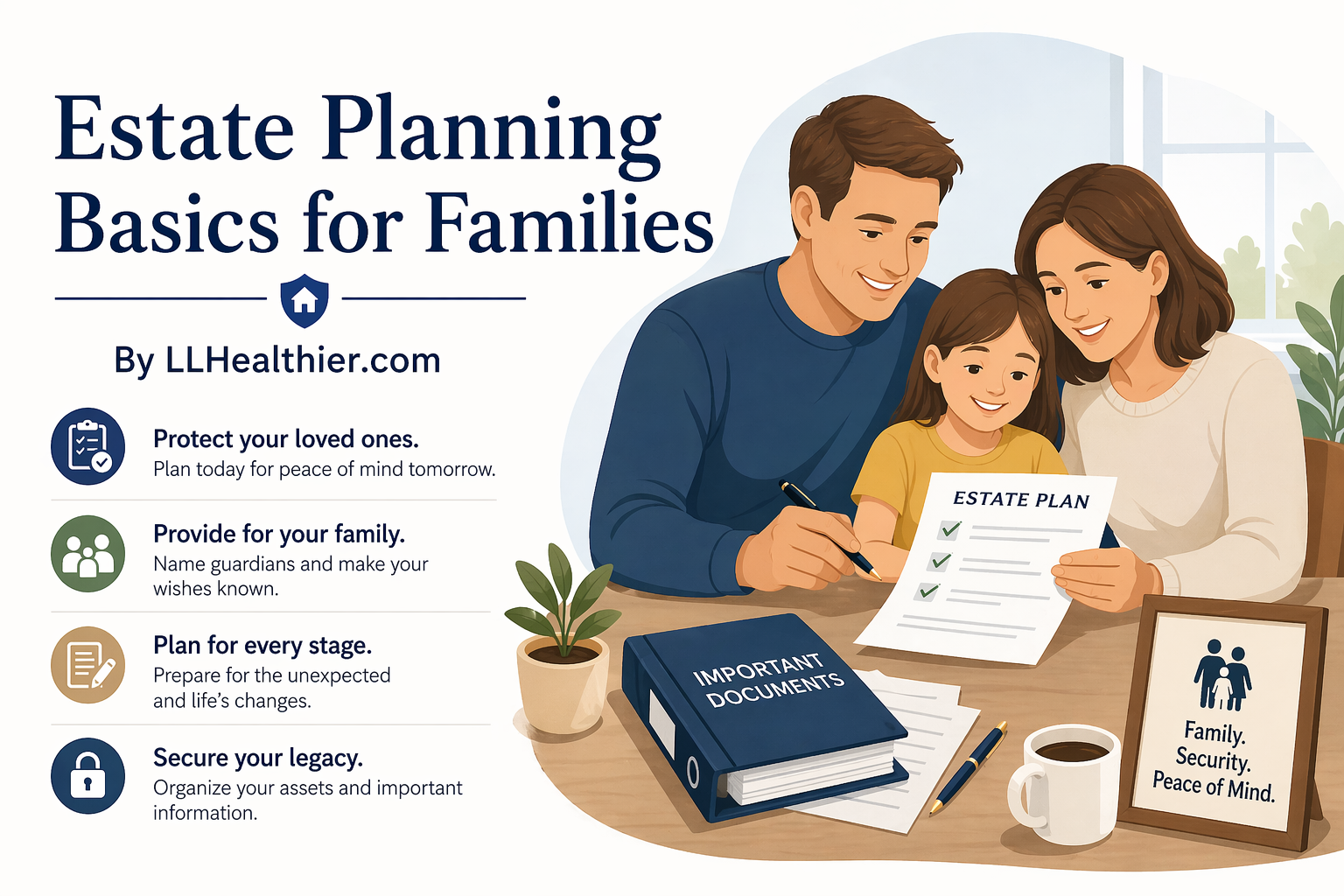
Estate planning basics for families include creating a will, naming guardians for children, preparing powers of attorney, reviewing beneficiaries, organizing records, and updating plans as life changes.
You do not need to be wealthy to need a plan. You need people you care about.
A thoughtful estate plan helps protect loved ones during some of life’s hardest moments. It replaces confusion with direction and stress with greater stability.
One of the kindest financial moves many families can make is preparing before they are forced to.
Found this article interesting? Bookmark it to read again later.
Then, share it for others to read. 🌎
Thank you!





Post Comment