
Social Goals to Set This Year
Many people begin a new year by focusing on personal improvement. They think about losing weight, earning more money, getting organized, or becoming more productive. Those goals can be helpful, but there is another part of health that often gets overlooked. It is social health.
Human beings are built for connection. Relationships affect mood, stress levels, confidence, resilience, and even physical health. A strong social life does not require being the loudest person in the room or having hundreds of contacts in your phone. It means having meaningful connection, healthy communication, and a sense that you belong somewhere.
In modern American life, social health can quietly slip. Busy schedules, remote work, parenting demands, screen habits, long commutes, stress, and relocation can all weaken connection over time. Many people look up one day and realize they feel lonely despite being constantly surrounded by digital noise.
That is why setting social goals for the year can be so valuable. These goals help you strengthen relationships, create new ones, and become the kind of person who brings warmth and steadiness into the lives of others.
You do not need a total personality change. You need intention.
Why Social Goals Matter
Relationships shape daily life more than many people realize.
People with healthy social ties often cope better with stress. They may recover faster from setbacks, feel more supported during hard seasons, and experience more joy in ordinary moments. Laughter, shared memories, honest conversations, and feeling understood all have real value.
On the other hand, isolation can affect mental and physical health. Loneliness has been linked with higher stress, lower mood, sleep trouble, and declining motivation.
Some people assume social struggles only affect those who live alone. That is not true. A person can be married, employed, surrounded by coworkers, and still feel disconnected.
Social goals matter because connection rarely happens by accident for long. It usually needs care and effort.
Focus on Quality Over Quantity
One common misconception is that a successful social life means knowing many people.
In reality, a few trustworthy relationships often matter more than a large network of shallow ones.
You do not need dozens of close friends. You need people you can laugh with, talk honestly with, lean on when needed, and support in return.
This year, consider focusing less on collecting contacts and more on deepening meaningful relationships.
That may look like spending more time with one close friend, repairing family communication, or becoming more present with your spouse or partner.
Depth often nourishes more than breadth.
Reconnect with People Who Matter
Many relationships fade not because of conflict, but because of life.
People move. Careers change. Children arrive. Schedules fill up. Months turn into years.
Often, there are people we care about and miss, but we keep assuming it is too late or too awkward to reach out.
Usually, it is not.
A simple message can reopen a door. “I was thinking of you and wanted to check in.” “It has been too long. Want to grab coffee?” “I hope you are doing well.”
You may be surprised how many people are quietly hoping someone else makes the first move.
Become Better at Following Through
Many people have warm intentions but weak consistency.
They say, “We should get together sometime,” and never act. They promise to call and forget. They cancel repeatedly. Over time, trust and momentum fade.
A powerful social goal is becoming someone who follows through.
If you invite someone to lunch, suggest a date. If you say you will call, call. If you cannot make something, communicate clearly and respectfully.
Reliability is deeply attractive in friendships and relationships because it creates safety.
People remember who shows up.
Learn to Listen Well
Strong connection depends less on being interesting and more on being attentive.
Many conversations today are rushed, distracted, or half-present. One person speaks while the other checks a phone or waits for a turn to talk.
Real listening stands out because it has become rare.
This year, aim to listen fully. Maintain eye contact. Ask thoughtful follow-up questions. Notice emotion behind words. Resist the urge to immediately relate everything back to yourself.
People feel valued when they feel heard.
You do not need perfect advice. Often, presence is enough.
Make Time for Friendship Like It Matters
Adults often treat friendship as optional once life gets busy.
Work, family, chores, and obligations take center stage. Friendship gets whatever scraps remain.
Yet friendship is not a childish luxury. It is part of healthy adulthood.
Friends can bring humor, perspective, companionship, accountability, and emotional support. They often carry us through seasons that money and productivity cannot fix.
This year, consider scheduling friendship intentionally. Put lunch on the calendar. Plan a walk. Join a recurring group. Host dinner. Protect time for connection rather than hoping it magically appears.
What gets scheduled often gets sustained.
Improve Communication at Home
Many people search for new social opportunities while neglecting the relationships already inside their own home.
A spouse, partner, child, parent, or sibling may need more patience, attention, or healthier communication.
Social growth often starts closest to us.
Try speaking more respectfully during stress. Put the phone down during dinner. Ask deeper questions instead of discussing logistics only. Offer appreciation more freely. Address conflict earlier and calmer.
The home environment shapes daily emotional health powerfully.
Small changes in tone can shift an entire household.
Set Boundaries with Draining Relationships
Not every social goal is about adding more people. Sometimes it is about protecting yourself from unhealthy dynamics.
Some relationships are built on criticism, manipulation, chaos, guilt, or constant exhaustion. If every interaction leaves you tense, drained, or diminished, boundaries may be needed.
Boundaries can include limiting time, declining certain topics, shortening visits, or stepping back entirely in serious cases.
This is not cruelty. It is emotional responsibility.
Healthy relationships can survive boundaries. Unhealthy ones often resist them.
Meet New People Through Shared Interests
Making friends as an adult can feel harder than it did in school. That is normal. Adult life offers fewer built-in spaces for connection.
One of the best ways to meet people is through shared activity rather than forced networking.
Join a gym class, walking group, volunteer project, church community, hobby club, sports league, book club, or continuing education course.
Shared interests make conversation easier and reduce pressure.
Friendship often grows naturally when people see each other regularly in meaningful settings.
Be More Present Digitally and in Person
Technology can connect people, but it can also dilute connection.
Many people spend hours online while neglecting real relationships. Others communicate constantly but superficially.
A helpful goal is using technology more intentionally.
Reply thoughtfully instead of mindlessly scrolling. Send voice notes or meaningful messages instead of only liking posts. Use video calls to stay close with distant family. Then put the phone away when real people are in front of you.
Presence is one of the greatest gifts you can offer.
Practice Generosity in Relationships
Healthy social lives are not built only on what we receive. They are built on what we contribute.
This year, look for ways to be generous.
Encourage someone. Remember birthdays. Offer help during a hard week. Bring a meal. Celebrate another person’s success without envy. Introduce people who may help each other. Express gratitude more often.
These acts may seem small, but they build trust and warmth over time.
Relationships grow stronger where generosity lives.
Become More Comfortable with Vulnerability
Many adults know many people but feel deeply unknown.
They stay at the level of jokes, updates, and surface talk because vulnerability feels risky.
Yet closeness usually requires some honesty.
That may mean admitting stress, asking for support, sharing hopes, expressing care, or apologizing sincerely.
You do not need to reveal everything to everyone. You do need a few relationships where you can be real.
Vulnerability, offered wisely, often invites deeper connection.
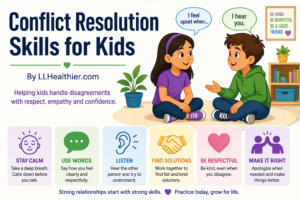
Learn to Handle Conflict Better
Conflict is part of all meaningful relationships. Avoiding it entirely usually leads to resentment or distance.
A strong social goal is learning to address issues calmly and directly.
Speak about behavior rather than attacking character. Use specific examples. Listen as well as speak. Stay respectful even when upset.
Timing matters too. Hard conversations often go better when both people are calm and not exhausted.
Many relationships improve not because conflict disappears, but because people learn to navigate it with maturity.
Reduce Social Comparison
Social media has intensified comparison.
People see curated vacations, smiling families, promotions, parties, and milestones, then assume everyone else is more connected and fulfilled.
That picture is incomplete.
A wise social goal is focusing more on building your own real life and less on measuring it against edited snapshots.
Comparison drains joy and creates insecurity. Gratitude and action create momentum.
Support Your Community
Connection is not limited to personal friendships. Belonging can also come through contributing locally.
Volunteer. Support a neighborhood event. Mentor youth. Attend community gatherings. Help a local cause. Participate in faith or civic groups.
These actions create roots.
Many people feel lonely because they consume community rather than participate in it.
Belonging often grows through contribution.
A Realistic Social Plan for the Year
If you want structure, keep it simple.
Reach out to one old friend each month. Schedule two social activities monthly. Join one recurring group or class. Practice phone-free meals with loved ones. Express appreciation weekly. Address tension instead of avoiding it.
This is enough to create meaningful change over a year.
The goal is not becoming the busiest social person in town. It is becoming more connected and relationally healthy.
Common Mistakes to Avoid
One mistake is waiting for others to initiate everything. Another is assuming rejection when people are simply busy.
Some people overcommit socially and burn out. Others isolate so long that reconnecting feels harder than it is.
Another common mistake is chasing popularity instead of sincerity.
Real connection usually grows slower and quieter than people expect.
Social goals to set this year should focus on connection, consistency, communication, and healthy boundaries.
Reconnect with people who matter. Listen better. Make time for friendship. Improve relationships at home. Meet new people through shared interests. Be generous. Be real. Protect your peace when needed.
You do not need a bigger contact list.
You need stronger ties, warmer moments, and relationships that help life feel richer and steadier.
A healthier social life is often built one conversation, one invitation, and one act of care at a time.
Found this article interesting? Bookmark it to read again later.
Then, share it for others to read. 🌎
Thank you!








Post Comment