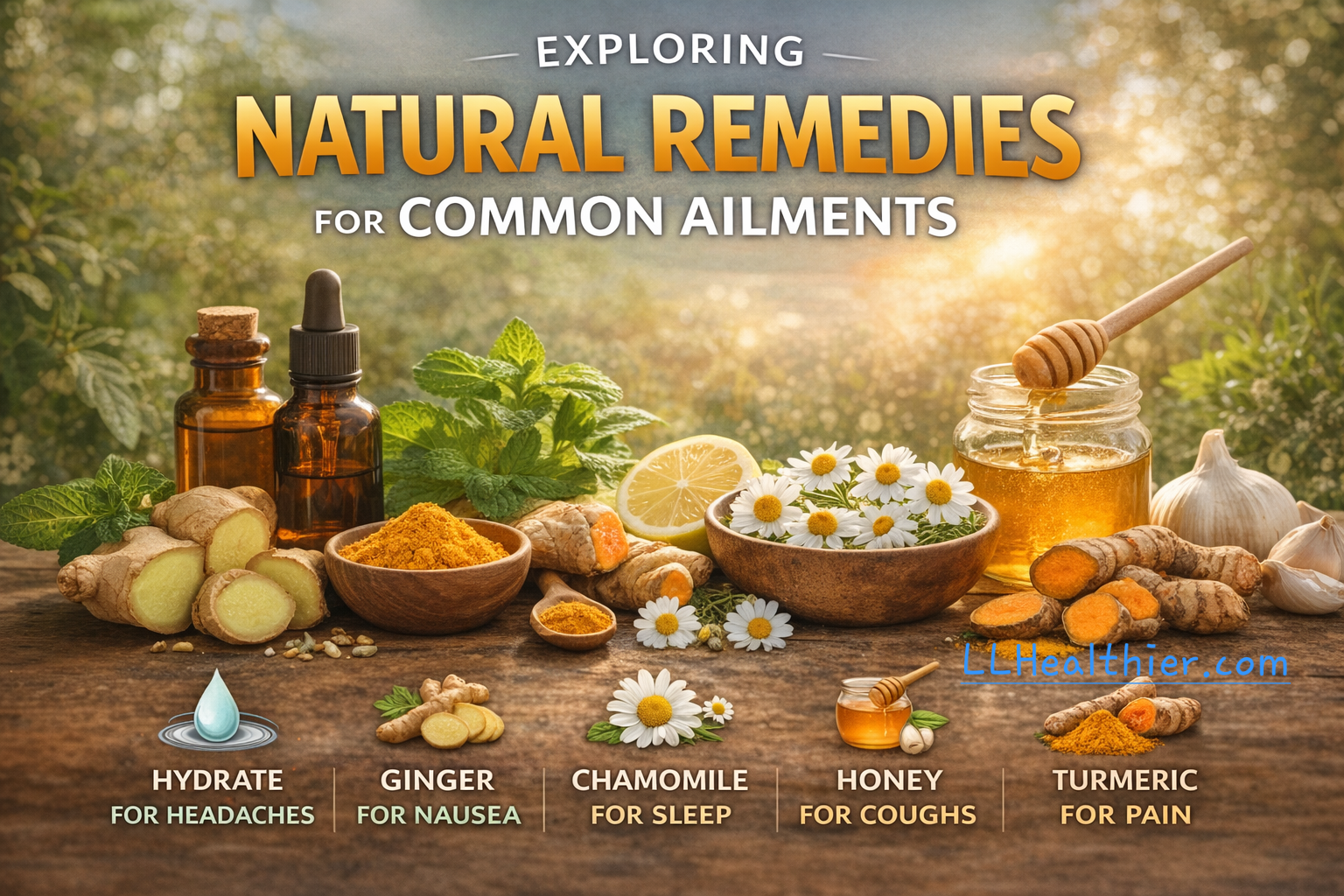
Exploring Natural Remedies for Common Ailments
Many Americans are looking for simple ways to feel better without reaching for medication at the first sign of discomfort. That interest is understandable. Natural remedies can be gentle, affordable, and often easy to use at home. In many cases, they can provide real relief for common everyday issues such as headaches, mild digestive upset, congestion, stress, trouble sleeping, and minor aches.
At the same time, it helps to approach natural care with common sense. “Natural” does not always mean safe for everyone, and home remedies are not a replacement for medical treatment when symptoms are severe, persistent, or concerning. The best approach is balanced. Use practical remedies for mild problems, and know when it is time to involve a healthcare professional.
Think of natural remedies as tools. Some are time-tested and backed by research. Others are more traditional but still useful. Many work by supporting the body’s own healing systems rather than overpowering symptoms.
Let’s look at some of the most helpful options for common ailments and how to use them wisely.
Natural Relief for Headaches
Headaches are one of the most common complaints in modern life. Stress, dehydration, skipped meals, poor sleep, eye strain, and muscle tension often play a role.
One of the first remedies to try is water. Mild dehydration can trigger headaches, especially after exercise, hot weather, or a night of poor sleep. Drinking a full glass of water and continuing to hydrate throughout the day can make a noticeable difference.
Magnesium may also help some people, particularly those who get migraines or tension headaches. Magnesium supports nerve and muscle function, and low levels are common. Foods rich in magnesium include spinach, pumpkin seeds, almonds, beans, and whole grains.
Peppermint oil, when diluted and applied lightly to the temples or neck, can create a cooling sensation that may ease tension. Be careful to keep it away from the eyes.
A dark, quiet room and a short period of rest can also be effective. Bright light and noise often worsen headaches.
If headaches are frequent, severe, sudden, or associated with weakness, confusion, fever, vision changes, or vomiting, medical attention is needed.
Soothing Digestive Upset Naturally
Digestive discomfort often responds well to gentle home care. Bloating, mild nausea, indigestion, and occasional constipation are common examples.
Ginger is one of the most trusted natural remedies for nausea and stomach upset. It can be used fresh in tea, added to food, or taken in supplement form. Many people find ginger especially helpful during travel or after a rich meal.
Peppermint tea can calm digestive spasms and may reduce bloating. Some people with acid reflux, however, find peppermint makes symptoms worse, so pay attention to your own response.
For constipation, water and fiber are often the first answers. Fruits such as pears, apples, berries, and prunes can help. Vegetables, oats, beans, and flaxseed also support regularity. Gentle movement, especially walking, stimulates the bowels as well.
Plain yogurt with live cultures may help after stomach upset or antibiotic use by supporting healthy gut bacteria. Fermented foods like kefir or sauerkraut can serve a similar role for some people.
If abdominal pain is severe, there is blood in the stool, unexplained weight loss, persistent vomiting, or prolonged symptoms, it is time for medical evaluation.
Easing Cold and Congestion Symptoms
There is no cure for the common cold, but several natural remedies can make recovery more comfortable.
Warm fluids are one of the best options. Tea, broth, and warm water can loosen mucus, soothe the throat, and support hydration.
Honey is a reliable remedy for cough and throat irritation. A spoonful of honey or honey stirred into warm tea can reduce coughing, especially at night. Honey should never be given to children under one year old.
Steam can help open nasal passages. A hot shower or sitting near a bowl of steaming water can temporarily reduce congestion. Some people also benefit from saline nasal rinses, which help clear mucus and irritants.
Chicken soup earns its reputation honestly. Warm broth, hydration, and comfort all matter when you are sick.
Rest remains one of the strongest treatments. The immune system works better when the body has enough sleep and recovery time.
If symptoms include high fever, shortness of breath, chest pain, dehydration, or worsening after several days, seek medical care.
Natural Support for Stress and Anxiety
Modern life can keep the nervous system in a constant state of alert. Many people carry tension all day without realizing it.
One of the fastest natural tools for stress is controlled breathing. Slow, steady breathing sends a calming signal to the brain. Try inhaling gently through the nose, then exhaling a little longer than the inhale. Even two minutes can help.
Regular physical activity is another powerful option. Walking, cycling, swimming, strength training, and yoga can all lower stress hormones and improve mood.
Herbal teas such as chamomile or lemon balm may create a mild calming effect. These are not magic cures, but they can be useful parts of a calming evening routine.
Spending time outdoors also matters more than many people realize. Sunlight, movement, fresh air, and a break from screens can reduce mental fatigue.
Limiting caffeine is worth considering if anxiety is frequent. Some people are highly sensitive to coffee, energy drinks, or pre-workout products.
If anxiety is intense, causes panic, disrupts daily life, or leads to depression, professional help is important and highly effective.
Better Sleep Without Relying on Pills
Poor sleep can affect mood, appetite, focus, blood pressure, and immune health. Many people look for a pill, but habits usually matter more than supplements.
A steady sleep schedule is one of the best remedies available. Going to bed and waking up around the same time each day helps regulate the body clock.
Reducing bright light in the evening supports natural melatonin production. This includes phones, tablets, and bright overhead lighting.
Magnesium may help some people relax at night, especially if tension or muscle tightness is present. A warm bath with Epsom salts can also feel soothing, though the main benefit may come from the warm bath itself and the bedtime ritual.
Chamomile tea is a classic bedtime choice. It creates a calming routine and may mildly support relaxation.
Keep the bedroom cool, dark, and quiet whenever possible. Many people sleep better after making these simple changes than they do with any supplement.
If snoring is loud, breathing pauses occur, or daytime fatigue is severe, screening for sleep apnea is wise.
Managing Minor Muscle and Joint Pain
Everyday aches are common, especially after physical work, exercise, yard projects, or long hours sitting at a desk.
Heat is often helpful for tight muscles and stiffness. A heating pad, warm shower, or warm bath can increase blood flow and reduce discomfort.
Cold works better for fresh strains, swelling, or irritated joints after activity. Ice wrapped in cloth for short periods can calm inflammation.
Turmeric, a spice containing curcumin, has anti-inflammatory properties and may help some people with joint discomfort. It is commonly used in cooking or supplement form. Absorption improves when taken with black pepper or fat.
Gentle movement matters. Complete rest often prolongs stiffness. Walking, stretching, and range-of-motion exercises can speed recovery.
Massage, foam rolling, or light mobility work may also help when done comfortably.
Persistent pain, weakness, swelling, fever, or limited function should be assessed medically.
Natural Care for Heartburn and Indigestion
Heartburn is common, often tied to large meals, late-night eating, alcohol, spicy foods, excess weight, or lying down too soon after dinner.
One of the simplest remedies is meal timing. Finishing dinner a few hours before bed can reduce nighttime reflux.
Smaller meals are often easier to tolerate than heavy meals. Eating slowly also helps.
Some people find relief from ginger tea after meals. Others do better avoiding peppermint, chocolate, alcohol, or acidic foods.
Raising the head of the bed slightly can help nighttime symptoms.
Frequent heartburn should not be ignored. Ongoing reflux can damage the esophagus and deserves medical attention.
Skin Irritations and Minor Cuts
For mild skin irritation, the first treatment is often gentle cleansing and protection.
Aloe vera gel can soothe minor burns or irritated skin. It feels cooling and is commonly used after too much sun.
Colloidal oatmeal baths may calm itchy skin, including mild eczema flares or irritation.
For minor cuts, wash with clean water and mild soap, then cover with a clean bandage. Keeping a wound clean and protected is usually more helpful than adding multiple products.
Honey, especially medical-grade honey, has been used in wound care because of its antibacterial properties. It should be used thoughtfully and not as a substitute for proper treatment of larger wounds.
If redness spreads, pus develops, fever appears, or healing stalls, seek medical care.
The Role of Food as Daily Medicine
Many common ailments improve when the body is regularly nourished well. This is less dramatic than a supplement, but often more effective.
A diet rich in vegetables, fruit, beans, nuts, seeds, fish, lean proteins, and whole grains supports immunity, blood sugar balance, gut health, and inflammation control.
Colorful foods often contain antioxidants that help the body manage stress and repair damage. Fiber supports digestion and heart health. Protein supports muscle repair and stable energy.
Highly processed foods, heavy alcohol use, and excess sugar can worsen energy swings, poor sleep, digestive symptoms, and inflammation in some people.
Food choices do not need to be perfect. Consistency matters more than perfection.
When Natural Remedies Need Caution
Natural products can interact with medications. St. John’s wort, for example, can affect many prescriptions. Turmeric, garlic, and fish oil may influence bleeding risk in some people. Licorice root can raise blood pressure.
Pregnant women, older adults, and people with chronic medical conditions should be especially careful with supplements.
It is also wise to be selective about brands. Supplements are not regulated exactly like prescription drugs. Quality can vary.
When in doubt, ask a pharmacist or healthcare provider.
Knowing When to See a Doctor
Home remedies are best for mild, familiar problems. They are not for emergencies or unexplained symptoms.
Chest pain, trouble breathing, severe pain, high fever, fainting, dehydration, weakness, confusion, sudden severe headache, or symptoms that keep worsening need prompt medical care.
If something feels off and you cannot explain it, trust that instinct.
A Balanced Approach to Feeling Better
Natural remedies work best when they are part of a bigger picture. Good sleep, regular movement, steady hydration, nutritious food, stress management, and strong social connection often reduce the need for symptom relief in the first place.
Many people search for one miracle herb or one perfect supplement. Real health is usually quieter than that. It grows from daily habits and sensible choices.
There is room for both modern medicine and natural care. You do not have to choose one side. A person can appreciate antibiotics when needed, use physical therapy for back pain, drink ginger tea for nausea, and practice breathing exercises for stress. That is not contradiction. That is practical health care.
Natural remedies can be helpful for common ailments when used wisely. Ginger may calm the stomach. Honey can soothe a cough. Heat can relax sore muscles. Light movement may ease stiffness. Chamomile tea and better sleep habits can support rest. Hydration alone can solve more headaches than many people expect.
Use these tools with common sense. Respect your body’s signals. Seek care when symptoms are serious or persistent.
Often, the best remedy is not dramatic. It is simple, steady care given at the right time.
Found this article interesting? Bookmark it to read again later.
Then, share it for others to read. 🌎
Thank you!









Post Comment