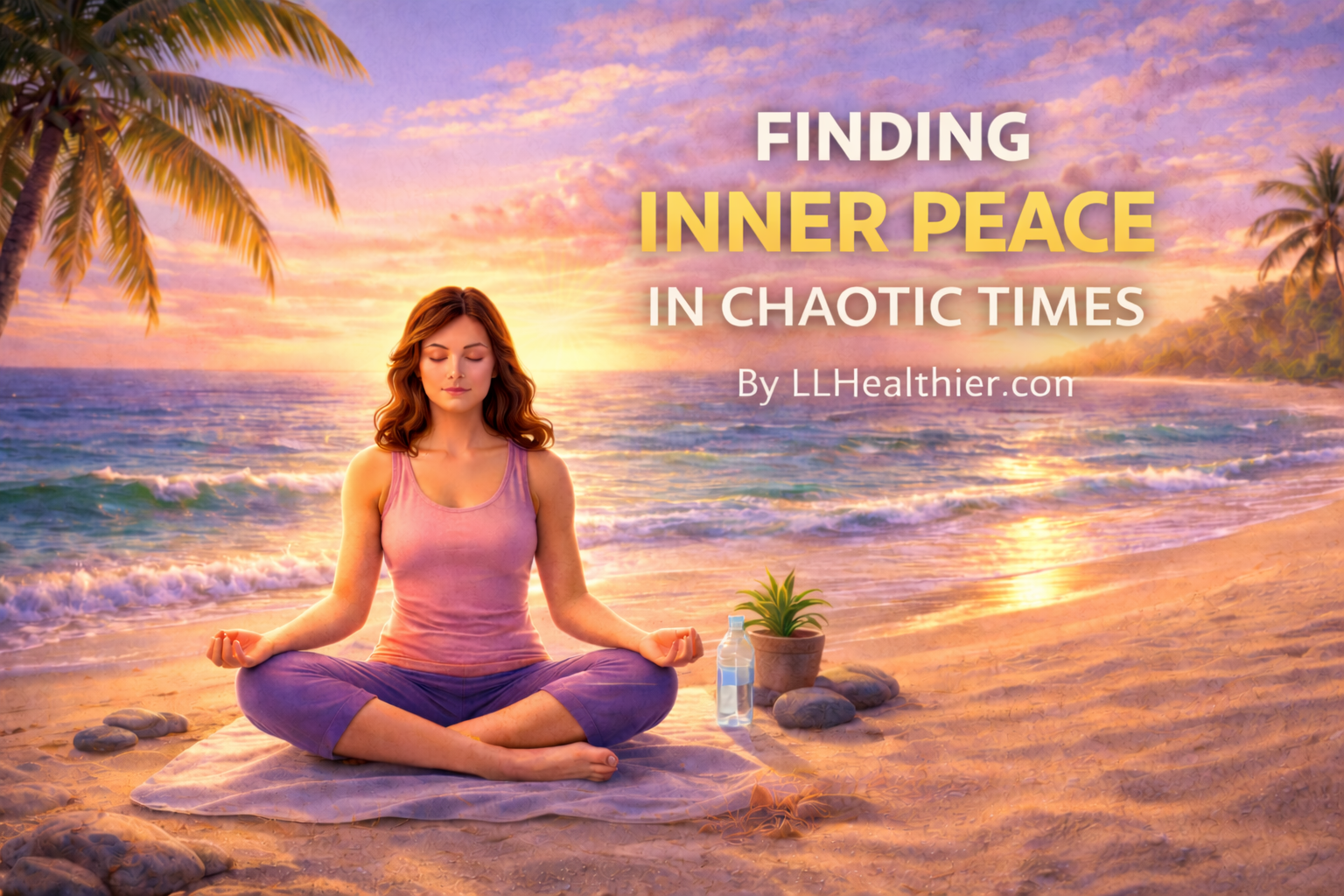
Finding Inner Peace in Chaotic Times
It can feel difficult to stay calm in the world we live in today. News alerts arrive by the minute. Prices rise. Schedules stay packed. Phones keep buzzing. Family responsibilities pile up. Work stress follows people home. Even moments meant for rest are often filled with noise, comparison, and distraction.
Many Americans are carrying more tension than they realize. Some feel restless all day. Others feel mentally exhausted but unable to truly relax. Some wake up already worried. Others move through life with a quiet sense that peace has become something distant, reserved for people with easier lives.
The truth is more hopeful than that.
Inner peace is not the absence of problems. It is the ability to remain grounded while problems exist. It is not found only on vacations, retreats, or perfect weekends. It can be built in ordinary life, even in busy seasons.
Peace is less about controlling the outside world and more about learning how to respond to it.
That skill can be developed.
What Inner Peace Really Means
Inner peace is often misunderstood as constant happiness or emotional numbness. It is neither.
A peaceful person still feels disappointment, anger, grief, stress, and uncertainty. They still deal with bills, deadlines, conflict, and loss. The difference is that these experiences do not completely control their internal state.
Peace often looks like steadiness.
It is the ability to pause before reacting. It is the ability to feel stress without becoming consumed by it. It is the confidence that even when life is messy, you can meet it with clarity.
This kind of peace is realistic. It does not ask you to become superhuman.
Why Chaos Feels So Draining
Modern chaos is often less about one major crisis and more about constant smaller pressures.
Unread messages. Financial concerns. Political tension. Family demands. Too much screen time. Poor sleep. Endless choices. Social comparison. Background worry.
The nervous system does not always distinguish between a true emergency and repeated daily strain. It simply reacts.
When stress signals remain high for too long, the body may stay tense, the mind may race, patience shrinks, and joy becomes harder to access.
That is why many people say they feel overwhelmed even when nothing dramatic is happening in the moment.
They are carrying accumulated stress.
Accept What You Cannot Control
One of the fastest ways to lose peace is trying to control everything.
Many people mentally wrestle with the economy, other people’s opinions, past mistakes, uncertain futures, traffic, weather, politics, and situations beyond their reach. This struggle is exhausting because it has no finish line.
Peace grows when we separate what is ours to manage from what is not.
You may not control the behavior of others. You do control your boundaries.
You may not control tomorrow’s headlines. You do control what you consume today.
You may not control the past. You do control the next decision.
Acceptance is not surrender. It is clear-eyed wisdom about where your energy can actually help.
Protect Your Mind from Constant Noise
Many people underestimate how much mental clutter enters through the eyes and ears.
If the day begins with alarming headlines, continues with nonstop notifications, and ends with endless scrolling, peace becomes harder to sustain.
Information matters, but overconsumption often creates agitation without action.
Consider creating healthier boundaries around media.
You might check news once or twice daily instead of constantly. You might silence nonessential notifications. You might avoid doomscrolling late at night. You might choose content that informs rather than inflames.
A calmer mind often begins with less unnecessary input.
Return to the Breath
Breathing is simple, but it is powerful.
When stress rises, breathing often becomes shallow and fast. This tells the nervous system to stay alert. Slow, steady breathing sends a different message.
Try inhaling gently through the nose for a count of four, then exhaling for a count of six. Continue for a few minutes.
The goal is not perfection. It is regulation.
This tool can be used in traffic, during conflict, before a meeting, or while lying awake at night.
Peace is often built through small resets repeated throughout the day.
Create Moments of Stillness
Many people say they want peace, yet they never spend time in silence.
Every spare moment gets filled with podcasts, television, music, social media, or multitasking. Constant stimulation can keep the mind from settling.
Stillness may feel unfamiliar at first. That is normal.
Sit quietly for five or ten minutes. No agenda. No performance. Simply be present.
You may notice racing thoughts. Let them pass without chasing each one.
Stillness is not wasted time. It is where the nervous system often begins to recover.
Simplify What You Can
Some chaos is unavoidable. Some is self-created through overcommitment, clutter, and too many obligations.
Many people say yes too often, buy too much, schedule too much, and carry too many unfinished decisions. Then they wonder why life feels heavy.
Peace often increases when life becomes simpler.
This may mean reducing commitments, cleaning one space, unsubscribing from unnecessary emails, creating routines, or saying no to things that do not align with your values.
You do not need to simplify everything in one weekend.
Small reductions in friction can create surprising relief.
Care for the Body to Calm the Mind
Inner peace is not only mental. It is physical too.
Poor sleep, dehydration, constant caffeine, inactivity, and chaotic eating patterns can all make stress feel louder.
When the body is run down, the mind becomes more reactive.
Better sleep, regular movement, nourishing meals, and enough water may sound basic, but basics often work.
A walk outside can lower stress. A consistent bedtime can improve patience. Balanced meals can steady mood. Hydration can reduce fatigue and headaches.
Sometimes what feels like emotional collapse is physical depletion.
Stop Feeding Every Thought
Not every thought deserves attention.
Many people believe whatever appears in the mind. If the brain says something bad may happen, they treat it as fact. If the brain criticizes them, they assume it is truth.
Thoughts are mental events, not commands.
The mind often produces fear, exaggeration, comparison, and worst-case scenarios, especially under stress.
Peace grows when we learn to notice thoughts without obeying all of them.
You can ask, “Is this true, helpful, or just fear talking?”
That pause creates freedom.
Practice Gratitude Without Denial
Gratitude is not pretending life is perfect. It is remembering that difficulty and goodness can exist at the same time.
Many people wait to feel grateful until all problems disappear. That day rarely comes.
You can be worried about finances and grateful for a warm meal.
You can be stressed and grateful for a loyal friend.
You can be healing and grateful for progress.
Gratitude shifts attention without requiring denial.
Try ending each day by naming a few things that were good, kind, beautiful, or helpful.
This trains the mind to notice more than trouble.
Strengthen Supportive Relationships
Peace is easier to maintain when you are connected to steady people.
Some relationships calm the nervous system. Others inflame it.
Spend more time with people who are grounded, honest, kind, and emotionally mature. Limit unnecessary exposure to those who create constant drama or criticism.
You do not need a huge social circle. A few safe relationships can be enough.
Sometimes inner peace is supported by outer wisdom about who gets access to your energy.
Forgive Strategically
Unresolved resentment can keep inner chaos alive for years.
When anger is replayed repeatedly, the body often relives the stress each time.
Forgiveness does not mean excusing harmful behavior. It does not always mean reconciliation.
Often, it means choosing not to let someone else’s actions continue occupying your inner world.
This process can take time and boundaries. It may require grief, counseling, or distance.
But freedom often begins when resentment stops being your daily companion.
Find Meaning in Service
One of the quickest ways to reduce self-focused stress is to help someone else.
This does not mean neglecting your own needs. It means remembering that purpose often quiets anxiety.
Check on a neighbor. Volunteer. Encourage a friend. Help a family member. Give where you can.
Service can restore perspective because it reminds us we are part of something larger than our personal stress cycle.
Meaning often creates peace where comfort alone cannot.
Build a Personal Sanctuary
Peace becomes easier when you create environments that support it.
This may be a tidy corner for reading, a porch chair for morning coffee, a prayer space, a walking route, or a bedroom designed for rest.
Your environment influences your state more than many people realize.
If every room feels cluttered and every surface demands attention, the nervous system may stay subtly activated.
You do not need a luxury home. You need one place that feels calm.
Let Peace Be Imperfect
Many people abandon peace practices because they still feel stressed sometimes.
They meditate but still get irritated. They journal but still worry. They walk but still have hard days.
That does not mean the practices failed.
Peace is not a permanent emotional high. It is greater resilience over time.
You may still feel stress, but recover faster. You may still get upset, but react less harshly. You may still worry, but spiral less often.
These are meaningful victories.
A Realistic Daily Peace Routine
A practical routine might look like waking without immediately checking the phone, drinking water, taking a few slow breaths, and stepping outside for morning light.
During the day, pause for brief resets instead of carrying tension nonstop. Move your body. Eat real meals. Protect attention from constant noise.
In the evening, reduce stimulation, reflect on what went well, and prepare for sleep.
Nothing dramatic.
Yet repeated daily, these rhythms can reshape how life feels.
When to Seek Extra Support
Sometimes inner turmoil is more than stress.
Persistent anxiety, panic attacks, depression, trauma symptoms, insomnia, heavy substance use, or inability to function deserve professional help.
There is strength in reaching for support.
Counselors, therapists, physicians, and support groups can provide tools that self-help alone may not.
Peace does not require doing everything alone.
Finding inner peace in chaotic times is not about escaping life. It is about learning to meet life differently.
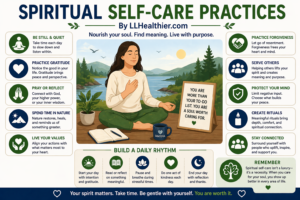
Accept what you cannot control. Protect your mind from excess noise. Return to the breath. Create stillness. Simplify where possible. Care for the body. Question fearful thoughts. Practice gratitude. Choose healthy relationships. Seek meaning through service.
Peace is not something the world hands you when conditions become perfect.
It is something you build within yourself, one steady choice at a time.
Found this article interesting? Bookmark it to read again later.
Then, share it for others to read. 🌎
Thank you!






Post Comment