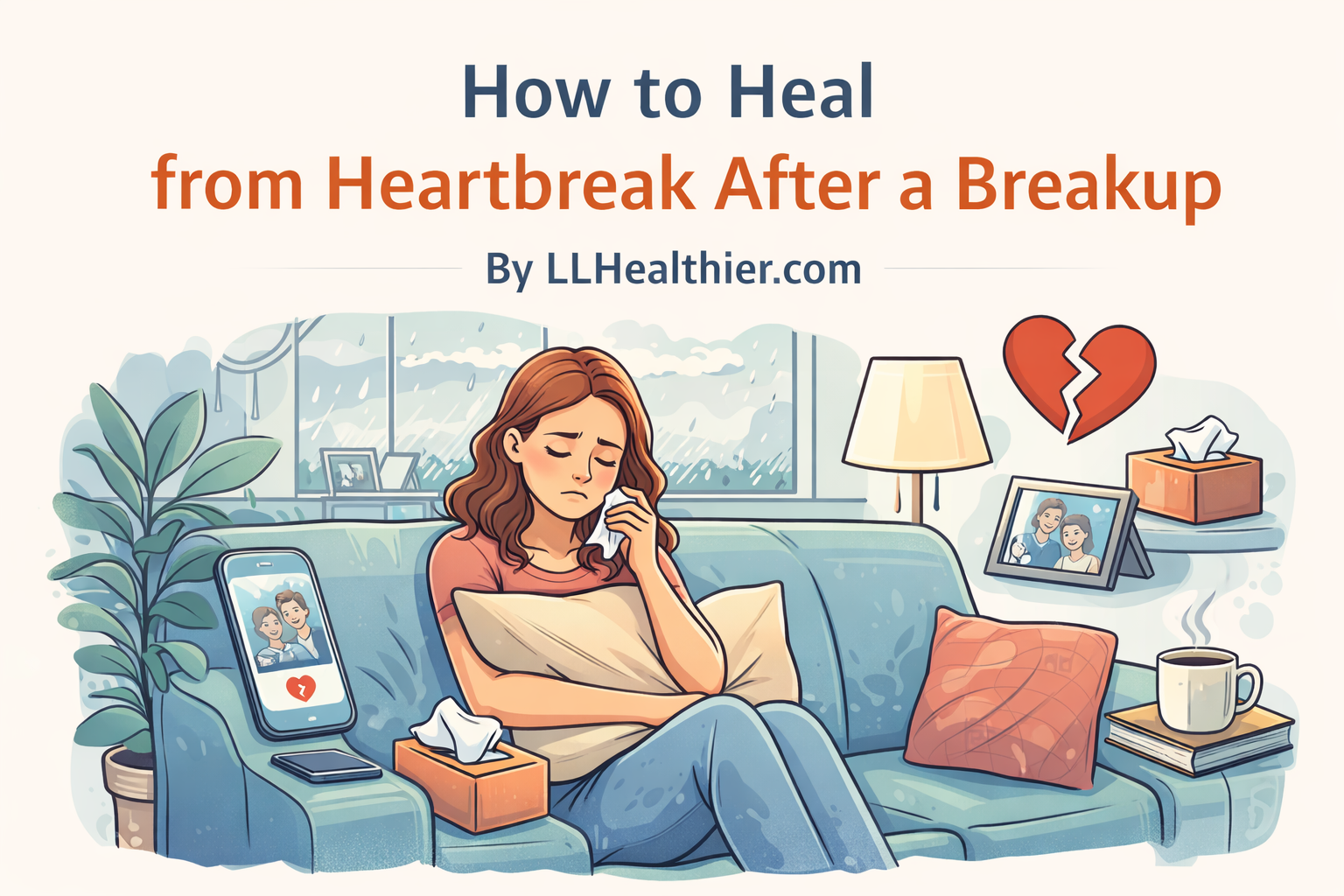
How to Heal From Heartbreak After a Breakup
Few emotional experiences cut as deeply as heartbreak after a breakup. Even when the relationship had clear problems, the ending can still feel devastating. Many people are surprised by how intense the pain becomes. They may struggle to sleep, lose appetite, cry unexpectedly, replay memories, or feel a heaviness that follows them through the day.
This reaction is normal. When a meaningful relationship ends, it is not only the loss of a partner. It can also be the loss of routine, companionship, future plans, emotional safety, identity, and hope. A breakup often changes more than one relationship status. It can shake the structure of daily life.
If you are hurting right now, you are not weak, dramatic, or broken. You are grieving. Grief is the natural response to loss, and heartbreak is a real loss.
The good news is that heartbreak can heal. It often heals gradually rather than all at once, but healing does come. With patience, healthy choices, and time, many people emerge stronger, wiser, and more grounded than they were before.
Why Heartbreak Feels So Intense
Romantic relationships often become woven into the nervous system. We get used to certain voices, routines, texts, touches, jokes, and rituals. The body learns connection. The mind builds expectation. The future becomes imagined through the lens of “we” instead of “me.”
When the relationship ends, the brain and body must adjust to sudden absence.
That is why heartbreak can feel physical. Some people experience chest tightness, stomach upset, fatigue, headaches, anxiety, and restlessness. Others feel emotionally numb at first, then overwhelmed later.
You may also miss the version of yourself that existed inside that relationship. Perhaps you felt chosen, hopeful, playful, needed, or secure. Losing that emotional environment can feel disorienting.
Understanding this helps reduce shame. You are not “too attached.” You are responding to real change.
Accept That Healing Is Not a Straight Line
Many people expect healing to happen in neat stages. They imagine sadness first, then gradual improvement, then peace. Real life rarely works that way.
You may feel calm for several days, then get hit by a wave of grief after hearing a song or passing a familiar place. You may think you are over it, then feel angry or lonely again. You may miss them one day and feel relieved the next.
This does not mean you are going backward.
Healing usually moves in waves. Over time, the waves become less intense and less frequent. The emotional tide still rises now and then, but it no longer controls the whole day.
Try not to judge your progress by one rough afternoon.
Let Yourself Grieve Fully
One of the healthiest things you can do after a breakup is allow yourself to grieve honestly.
Many people rush to appear fine. They distract nonstop, jump into dating immediately, bury themselves in work, or act emotionally untouched. These strategies may numb pain briefly, but they often delay healing.
Sadness needs room.
Cry when you need to cry. Journal what hurts. Talk with a trusted friend. Sit quietly and admit what was lost. Acknowledge disappointment, loneliness, anger, confusion, or regret.
Grief processed tends to move. Grief denied often lingers beneath the surface.
Feeling pain does not mean you are stuck. It means you are human.
Create Space from the Source of Pain
After a breakup, many people keep reopening the wound.
They reread old messages. Check social media profiles. Ask mutual friends for updates. Scroll through photos late at night. Replay arguments repeatedly. Search for signs the ex still cares.
This behavior is understandable, especially when the heart wants connection or closure. But constant exposure usually prolongs distress.
Creating distance can be one of the most healing steps available.
That may mean muting social media, removing photos from immediate view, deleting chat threads, returning belongings, or pausing contact for a while.
Distance is not pettiness. It is recovery.
Stop Romanticizing the Relationship
The mind often becomes selective after loss. It highlights vacations, chemistry, affectionate moments, and hopes for the future while minimizing conflict, incompatibility, disrespect, dishonesty, or chronic stress.
Heartbreak can turn memory into fiction.
Try to remember the whole relationship, not only the best scenes.
What felt nourishing?
What felt painful?
What patterns never improved?
What truths did you ignore because you wanted it to work?
Balanced memory protects you from longing for something that was never as ideal as it now seems.
Sometimes people do not miss the relationship itself. They miss comfort, familiarity, or who they hoped the person would become.
Care for Your Body While You Heal
Heartbreak can quickly erode physical health. Sleep becomes irregular. Appetite disappears or swings wildly. Energy drops. Movement stops. Alcohol use may increase. Stress hormones remain high.
This is exactly when body care matters most.
Eat nourishing meals even if they are simple. Drink water. Move your body daily, even if it is only a walk. Get outside. Shower. Keep regular sleep hours when possible. Reduce substances that worsen mood or sleep.
You do not need a dramatic transformation during heartbreak.
You need steady basics.
The body and mind are connected. Supporting one often helps the other.
Lean on Healthy Support
Breakups can create isolation, especially if the relationship became your main source of companionship.
Now is the time to reach toward stable people.
Talk with friends who listen without judgment. Spend time with family if they are supportive. Accept invitations. Join community groups, classes, or faith spaces if that fits your life.
Choose people who help you heal, not people who keep you spinning.
Some friends encourage revenge, obsession, or reckless distraction. Others offer calm perspective, warmth, and reality. Choose wisely.
One grounded conversation can help more than hours of social media scrolling.
Watch the Story You Tell Yourself
Heartbreak often activates painful inner narratives.
“I was not enough.”
“I always get abandoned.”
“I wasted years.”
“No one will love me again.”
“These thoughts may feel convincing, especially when emotions are raw. But painful feelings are not always accurate interpretations.
A breakup means a relationship ended. It does not automatically mean you are unworthy, unlovable, or doomed.
Sometimes relationships end because of incompatibility, timing, emotional immaturity, poor communication, unresolved wounds, or differing values.
You can learn from the ending without turning it into a verdict on your worth.
Speak to yourself with honesty and respect.
Rebuild Life Around You
One hidden challenge after a breakup is empty space.
The time once spent texting, planning weekends, sharing meals, or discussing life may now feel hollow. If you do not intentionally refill parts of that space, loneliness can grow louder.
This is a good season to rebuild your life around yourself.
Return to hobbies you neglected. Rearrange your home. Learn a skill. Join a gym. Take classes. Read books that help you grow. Travel locally. Strengthen friendships. Explore goals you postponed.
This is not about pretending the breakup never happened.
It is about remembering that your life is larger than one relationship.
Let Triggers Come and Go
Certain songs, holidays, restaurants, scents, neighborhoods, or dates may trigger grief unexpectedly.
This is common. Memory is tied closely to emotion and environment.
When triggers appear, many people panic and assume they are back at the beginning. Usually they are not.
A trigger is a moment, not a reset.
Pause. Breathe. Feel the emotion without fighting it. Let it move through. Then return to the present moment.
Over time, most triggers lose power when met calmly instead of fearfully.
Learn the Lessons Without Self-Attack
Every relationship teaches something.
Perhaps you learned that attraction alone is not enough. Perhaps you learned you ignored red flags. Perhaps you learned you need better boundaries, stronger communication, more patience, or clearer standards.
Reflection can be deeply valuable.
Self-blame is different.
Healthy reflection says, “What can I learn?”
Self-attack says, “Everything was my fault.”
Choose growth over punishment.
Even painful relationships can produce wisdom that protects your future.
Be Careful with Rebound Decisions
After a breakup, loneliness can make almost any attention feel meaningful. This is why people sometimes rush into rebound relationships, casual situations that hurt more than help, impulsive moves, or unhealthy coping habits.
Comfort sought in panic often costs more later.
This does not mean you must avoid dating for a set number of months. It means honesty matters.
If you are still consumed by your ex, using someone to distract yourself, or unable to be emotionally available, it may be too soon.
Healing first often leads to wiser choices later.
Forgiveness Can Set You Free
Forgiveness is often misunderstood after heartbreak.
It does not mean what happened was acceptable. It does not require reconciliation. It does not erase accountability.
Often, forgiveness means releasing the daily grip resentment has on your nervous system.
When anger is replayed constantly, the wound stays active.
Forgiveness may come slowly. It may happen in layers. Some people need therapy, prayer, distance, or time before they can truly let go.
There is no rush.
But carrying bitterness forever rarely serves the person carrying it.
Build Routine When Motivation Is Low
During heartbreak, motivation can disappear. Waiting to “feel ready” may keep you stuck in bed or in rumination.
Routine becomes valuable here.
Wake up at a consistent time. Make the bed. Eat breakfast. Go to work. Walk after dinner. Read before sleep. Keep appointments. Clean one area of the house.
Routine gives shape to days when emotions feel shapeless.
You do not need to feel inspired to take healthy action. Often action comes first, motivation later.
Know When to Seek Professional Help
Sometimes heartbreak is normal grief. Sometimes it becomes depression, anxiety, trauma activation, or a pattern connected to deeper wounds.
Consider counseling if you cannot function, feel hopeless, obsess constantly, experience panic, misuse substances, cannot sleep for extended periods, or keep repeating destructive relationship cycles.
Therapy can help you process loss, understand attachment patterns, rebuild confidence, and choose healthier relationships moving forward.
Seeking help is a strong decision, not a weak one.
Trust That Love Is Not Over
Many people believe the person who left was their only chance.
Pain creates tunnel vision.
The truth is that many forms of love exist, and future love often looks healthier than the love people once begged to keep. Sometimes the breakup that devastated you becomes the turning point that prepared you for something better.
But first, you need to become whole enough to recognize it.
The goal is not only finding another partner. It is becoming someone who can receive and sustain healthier love.
What Healing Often Looks Like
Healing is often quieter than expected.
You notice they are not the first thought in the morning.
You laugh naturally again.
You go a full day without checking their page.
You enjoy dinner with friends.
You feel peace in your own company.
You stop needing answers they cannot give.
You become grateful for lessons you once resented.
One day, what felt unbearable becomes part of your history rather than the center of your present.
Healing from heartbreak after a breakup takes time, honesty, boundaries, and patience. Let yourself grieve. Reduce contact that reopens the wound. Care for your body. Lean on steady people. Challenge painful self-stories. Learn the lessons. Rebuild a life centered on you.
You do not need to rush recovery.
You need to keep moving gently forward.
What hurts deeply today can become wisdom tomorrow, and the love you offer yourself now may become the strongest foundation you have ever known.
Found this article interesting? Bookmark it to read again later.
Then, share it for others to read. 🌎
Thank you!









Post Comment