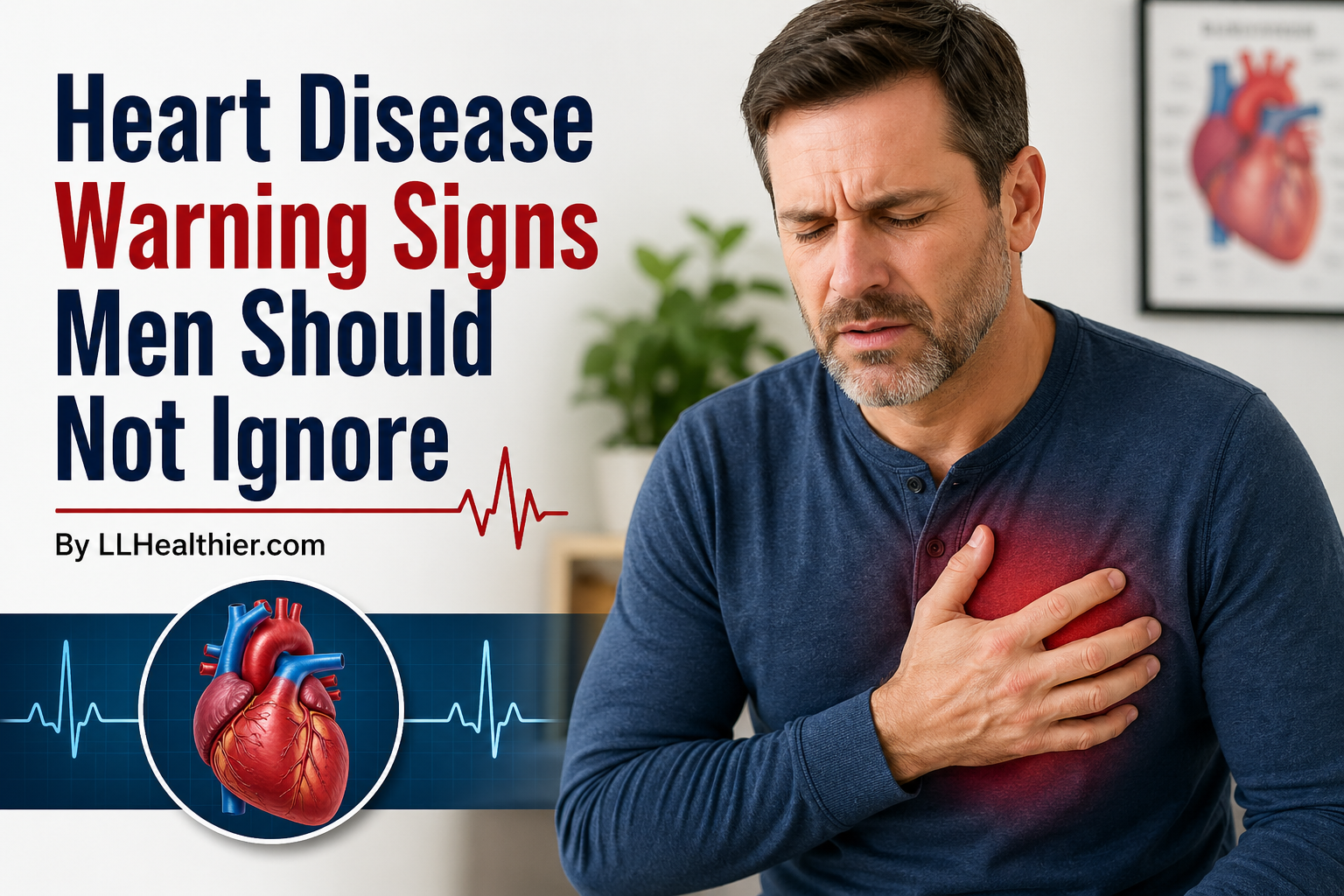
Heart Disease Warning Signs Men Should Not Ignore
Heart disease remains one of the leading health threats for men in the United States. It can affect younger men, middle-aged men, and older adults, often with few obvious warning signs at first. Many men assume serious heart problems only happen suddenly, but the truth is that the body often sends signals long before a major event occurs. Learning to recognize those signals can save your life.
One of the biggest challenges with heart disease is that symptoms are sometimes dismissed as stress, aging, indigestion, or being out of shape. Men often push through discomfort, keep working, and tell themselves it will pass. While that mindset may seem tough, it can also be dangerous. Paying attention to changes in your body is one of the smartest things you can do for yourself and your family.
Why Men Need to Pay Attention
Men tend to develop heart disease earlier than women, especially if risk factors are present. High blood pressure, smoking, diabetes, obesity, high cholesterol, lack of exercise, poor sleep, and chronic stress all increase risk. Family history also matters. If your father, brother, or close male relative had heart disease at a younger age, your own risk may be higher.
Many heart problems develop gradually over time. Plaque can build inside arteries for years before causing symptoms. During that time, the heart may struggle to get enough oxygen-rich blood, especially during physical activity or emotional stress. This is why small warning signs should never be brushed aside.
Chest Pressure or Discomfort
Chest discomfort is still one of the most common warning signs of heart trouble. It may feel like pressure, tightness, squeezing, heaviness, or fullness in the center or left side of the chest. Some men describe it as feeling like a weight sitting on the chest. Others mistake it for heartburn or muscle strain.
This discomfort may come and go. It might appear during exercise, climbing stairs, carrying groceries, or moments of stress, then improve with rest. That pattern can suggest reduced blood flow to the heart, known as angina. Any new or recurring chest discomfort deserves medical attention, especially if it becomes more frequent or intense.
Shortness of Breath
Many men notice breathing changes before they notice chest pain. Feeling winded after minor activity, struggling to catch your breath while lying down, or becoming unusually breathless during routine tasks can all point to heart trouble. If walking from the car to the store suddenly feels harder than it used to, pay attention.
Shortness of breath can happen when the heart is not pumping efficiently or when blocked arteries limit blood flow. It may also occur with fluid buildup related to heart failure. While lung conditions can cause similar symptoms, it is important not to assume the cause without proper evaluation.
Pain in the Arm, Jaw, Neck, Back, or Shoulder
Heart-related pain does not always stay in the chest. Some men feel discomfort that spreads to the left arm, both arms, jaw, neck, upper back, or shoulders. This pain may feel dull, aching, tight, or strange rather than sharp. Because it can appear away from the chest, many people do not connect it to the heart.
Jaw pain during exertion, shoulder discomfort that appears with activity, or arm heaviness combined with fatigue should raise concern. If these symptoms happen together with sweating, nausea, or chest pressure, seek urgent medical care.
Unusual Fatigue
Fatigue can be a subtle but meaningful warning sign. If you are sleeping enough but still feel drained, weak, or unable to complete normal tasks, it may be more than getting older. Many men ignore fatigue because life is busy, but unexplained exhaustion should not be dismissed.
The heart supplies blood and oxygen to the body. When it is under strain, energy levels often drop. If everyday activities suddenly feel harder than usual, especially when paired with shortness of breath or chest discomfort, it is time to be checked.
Dizziness, Lightheadedness, or Fainting
Feeling dizzy or faint can happen for many reasons, but it can also signal a heart rhythm problem, low blood pressure, or reduced blood flow. If you feel lightheaded during exercise, after standing, or without a clear reason, it should be evaluated. Passing out is never something to ignore.
Abnormal heart rhythms can cause the heart to beat too fast, too slow, or irregularly. Some rhythm problems are harmless, but others can be serious. Men sometimes describe feeling fluttering, pounding, skipped beats, or sudden weakness before an episode.
Sweating, Nausea, or a Sense That Something Is Wrong
A cold sweat, nausea, clammy skin, or an unexplained sense of doom can occur during a heart attack. These symptoms are often overlooked because they may seem unrelated to the heart. Some men think they have food poisoning or a stomach bug when the real problem is cardiac.
Trust your instincts. If you suddenly feel very unwell, especially with chest discomfort or shortness of breath, get help immediately. Many patients later say they knew something was wrong but waited too long.
Swelling in the Legs, Ankles, or Feet
Swelling in the lower legs or feet can happen when the heart is not pumping efficiently. Fluid may back up into the body, leading to puffiness, tighter shoes, or sock marks around the ankles. While swelling can also come from standing too long or vein problems, persistent swelling deserves attention.
If swelling occurs along with fatigue, breathlessness, rapid weight gain, or trouble lying flat, heart failure may need to be ruled out. Early treatment often helps symptoms and improves quality of life.
Erectile Dysfunction Can Be an Early Clue
Many men are surprised to learn that erectile dysfunction can sometimes be linked to heart disease. Blood vessel problems that affect circulation in the penis may also affect arteries supplying the heart. In some men, erectile dysfunction appears years before heart symptoms become obvious.
This does not mean every case is caused by heart disease. Stress, hormones, medications, and other health issues can play a role. Still, it is a valuable reason to discuss overall cardiovascular health with your doctor.
When Symptoms Need Emergency Care
Call emergency services right away if you have chest pressure lasting more than a few minutes, pain spreading to the arm or jaw, severe shortness of breath, fainting, sudden weakness, or symptoms that feel intense and unusual. Do not drive yourself if you believe you may be having a heart attack. Fast treatment can limit heart damage and save lives.
Many people hesitate because they fear embarrassment if it turns out to be nothing serious. Doctors would always rather evaluate a false alarm than see someone arrive too late.
How to Lower Your Risk Starting Now
Heart disease is common, but much of the risk can be reduced. Stop smoking if you smoke. Know your blood pressure, cholesterol, and blood sugar numbers. Move your body regularly, even brisk walking most days can help. Aim for a diet rich in vegetables, fruits, beans, whole grains, lean proteins, and healthy fats.
Sleep matters more than many men realize. Poor sleep and untreated sleep apnea can raise heart risk. Stress management also matters, whether through exercise, prayer, mindfulness, hobbies, counseling, or simply taking time to slow down. Small steady habits often create the biggest long-term results.
The Value of Regular Checkups
Many men only see a doctor when something feels wrong. Preventive care can catch silent problems early, including high blood pressure and elevated cholesterol. These conditions often have no symptoms until damage has already begun.
A yearly checkup can help identify risks before they become emergencies. If you have a family history of heart disease, ask whether earlier screening is appropriate. Prevention is easier than recovery.
Heart disease warning signs are not always dramatic. Sometimes they whisper before they shout. Chest pressure, shortness of breath, fatigue, dizziness, swelling, or unexplained discomfort are messages your body may be sending.
Ignoring symptoms does not make them harmless. If something feels different, persistent, or concerning, get checked. Taking action early can protect your heart, your future, and the people who count on you most.
Found this article interesting? Bookmark it to read again later.
Then, share it for others to read. 🌎
Thank you!




Post Comment