Healing from Grief After Losing a Loved One
Losing someone you love can change life in an instant. Whether the death was sudden or expected, the world often feels different afterward. Ordinary routines may continue around you, yet internally nothing feels ordinary at all. Many people describe grief as stepping into a life that looks familiar on the outside but no longer feels the same within.
Grief is not a weakness. It is not something to be ashamed of, rushed through, or hidden to make others comfortable. Grief is the natural emotional response to love and attachment. When someone important is gone, pain often follows because the bond mattered deeply.
Healing from grief does not mean forgetting the person or pretending the loss no longer matters. It means learning how to carry love and loss together while continuing to live. That process can be slow, uneven, and deeply personal.
There is no perfect timeline. There is only the gradual work of adapting to a new reality while honoring what was lost.
Understanding What Grief Really Is
Many people expect grief to be only sadness. In reality, grief can include a wide range of emotions and physical reactions.
You may feel numb one day and overwhelmed the next. You may experience anger, guilt, anxiety, loneliness, confusion, relief, exhaustion, regret, gratitude, or moments of laughter that surprise you. Sleep may change. Appetite may shift. Concentration may feel poor. The body often carries grief as much as the mind does.
This is normal.
Grief affects the whole person because relationships shape the whole person.
There Is No Correct Way to Grieve
Some people cry often. Others rarely cry but feel pain deeply. Some want to talk constantly. Others need quiet. Some return to work quickly because structure helps them. Others need more time and space.
None of these reactions automatically mean someone is grieving better or worse.
Problems often arise when people compare their grief to someone else’s style. A sibling may grieve differently than you. A spouse may express pain differently than a child. Personality, culture, family history, and relationship dynamics all shape mourning.
Respecting your own process matters.
Shock and Numbness Often Come First
In the early period after a loss, many people feel strangely numb or disconnected. They may move through funeral plans, phone calls, paperwork, and family needs while feeling unreal inside.
This can be confusing. Some worry they are cold or grieving incorrectly.
Often, numbness is the mind’s temporary way of absorbing something too large to process all at once. It is not absence of love.
As reality settles in, emotions may intensify later.
Waves of Grief Are Normal
Grief rarely moves in a straight line.
You may have a relatively calm morning and then break down in the grocery store. You may feel stronger for weeks, then suddenly struggle near a birthday, holiday, song, smell, or memory.
These waves do not mean you are back at the beginning.
They mean grief is responsive. Love leaves traces everywhere, and reminders can stir emotion unexpectedly.
Over time, the waves often become more manageable, though they may still return.
Let Yourself Feel What Is Real
Many people try to outsmart grief by staying constantly busy, emotionally numb, or socially cheerful. While temporary distraction can help, chronic avoidance often delays healing.
Pain that is never felt tends to stay unresolved.
Allow yourself moments to cry, remember, pray, journal, talk, or simply sit with the truth of what happened. This does not mean drowning in sorrow all day. It means making room for reality rather than fighting it constantly.
Emotion moves when it is acknowledged.
Release the Pressure to “Be Strong”
After a death, people are often told to be strong for the family, the children, or everyone else. While responsibility may require steadiness at times, many people misunderstand strength.
Strength is not pretending you are unaffected.
Strength may look like asking for help, crying honestly, attending counseling, taking a rest, or admitting that you are struggling. It may mean allowing others to support you.
Real strength usually includes vulnerability.
Understand Guilt in Grief
Guilt is common after loss.
People replay conversations, missed visits, medical decisions, arguments, or things they wish they had said. They think, “I should have done more,” or “If only I had…”
This reaction is deeply human, but often harsh and incomplete. Most people made decisions with the information, energy, and emotional capacity they had at the time.
If guilt is heavy, talk it through with a counselor, clergy member, or trusted support person. Many grieving minds confuse pain with responsibility.
Keep Basic Routines Alive
During grief, ordinary tasks can feel surprisingly difficult. Showering, eating, answering messages, paying bills, or leaving the house may require more effort than usual.
Gentle structure can help.
Try to maintain basic routines such as meals, hydration, sleep habits, movement, and sunlight exposure. These are not trivial matters. The body needs support while carrying emotional stress.
Small routines can create stability when life feels shaken.
Talk About the Person Who Died
Many grieving people fear that others will stop mentioning their loved one. They worry the person will slowly disappear from conversation.
If it feels healing, speak their name. Share stories. Look at photos. Tell younger family members about them. Laugh about their quirks. Cry about what you miss.
Remembering is not being stuck.
Memory is one way love continues.
Accept That Relationships May Change
Loss often affects family systems and friendships.
Some people show up beautifully. Others disappear because they feel awkward, selfish, or uncomfortable with pain. Family members may clash over estates, traditions, responsibilities, or differing grief styles.
This can be painful.
Try not to assume every disappointing reaction is malicious. Many people simply lack grief skills. At the same time, it is okay to notice who brings comfort and who adds stress.
Grief can clarify relationships.
Create Continuing Bonds
Older models of grief often suggested people must “move on” by detaching from the deceased. Many modern grief specialists recognize that healthy continuing bonds can be healing.
You might talk to them privately, cook their recipes, keep certain traditions, wear a meaningful item, visit a place you shared, donate in their honor, or live out values they taught you.
Love does not need to end because life ended.
The relationship changes form, but connection can remain meaningful.
Be Gentle with Anniversaries and Holidays
Special dates can reopen grief powerfully.
Birthdays, death anniversaries, holidays, and family milestones often highlight absence. Anticipating these days can be wise.
Plan with intention. You may want company, solitude, a memorial ritual, travel, volunteering, prayer, or flexibility. There is no required script.
Some years will feel harder than others. That is normal.
Children and Grief
Children grieve differently than adults. They may cry, then play five minutes later. They may ask blunt questions, revisit the topic repeatedly, or seem unaffected before emotions surface later. Their grief often comes in smaller pieces over time.
Honest, age-appropriate communication helps greatly. Reassure them, maintain routines where possible, and welcome questions.
Children need truth, safety, and emotional permission.
When Grief Feels Complicated
Some losses involve trauma, estrangement, addiction, suicide, abuse history, or unresolved conflict. These situations can create grief mixed with anger, relief, confusion, or unfinished pain.
This does not make your grief wrong.
Complex relationships often create complex mourning.
Professional support can be especially helpful here because healing may involve both grieving the person and grieving what never was.
When to Seek Professional Help
Grief itself is not a disorder. It is a natural response to loss.
Still, support can be very valuable if you feel persistently unable to function, deeply hopeless, trapped in severe guilt, using substances heavily, isolated for long periods, or experiencing depression, panic, or trauma symptoms.
Therapists, grief counselors, support groups, physicians, and faith leaders can all play important roles.
You do not need to wait until things are unbearable to seek help.
Healing Often Looks Different Than Expected
Many people imagine healing means no longer crying or no longer missing the person.
Often healing looks quieter than that.
It may mean functioning again. Laughing without guilt. Feeling gratitude alongside sadness. Being able to remember more love than pain. Carrying the memory with tenderness rather than only shock.
It may mean building a meaningful life that includes the loss rather than erasing it.
Let Joy Return Without Shame
Some grieving people feel guilty when joy reappears.
They laugh with friends, enjoy a vacation, feel peace one afternoon, or fall in love again and then feel disloyal. But healing is not betrayal.
Your loved one’s death does not require your permanent misery.
Allowing joy again honors life, not loss. Love usually wants life for those who remain.
What to Tell Yourself on Hard Days
On painful days, keep the message simple.
This hurts because it mattered.
I do not need to fix grief today.
I can do this, one hour at a time.
Love is still present, even in sorrow.
Gentle truths can steady the nervous system when pain rises.
Healing from grief after losing a loved one is not about forgetting, rushing, or “getting over it.” It is about adapting to a changed life while keeping love integrated into who you are.
Feel what is real. Keep basic routines. Accept waves of emotion. Seek support when needed. Honor memory in ways that feel meaningful. Let healing unfold gradually.
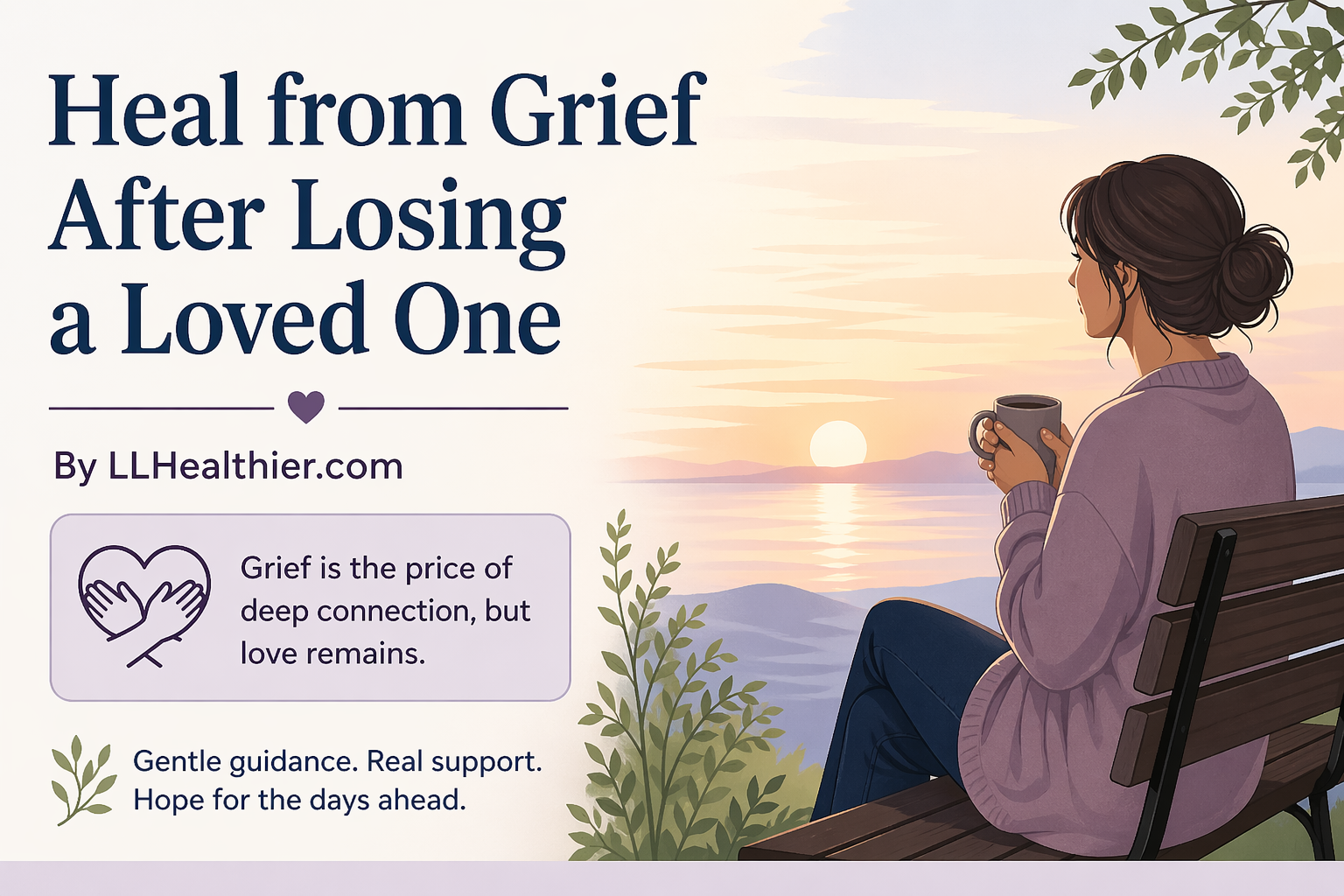
Grief is the price of deep connection, but it is also evidence that deep connection existed.
In time, many people find that while grief changes them, love remains one of the strongest parts left behind.
Found this article interesting? Bookmark it to read again later.
Then, share it for others to read. 🌎
Thank you!








Post Comment